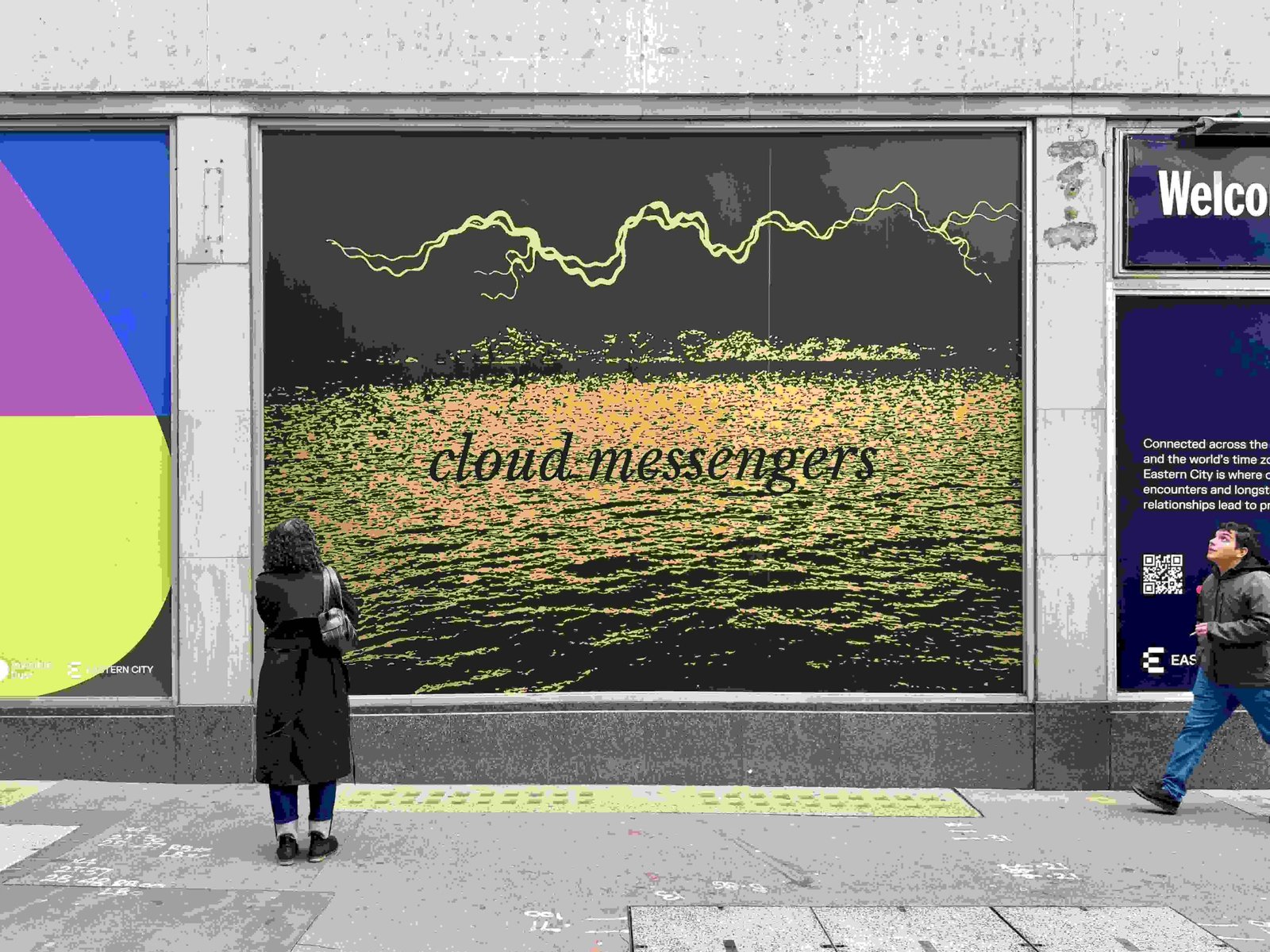
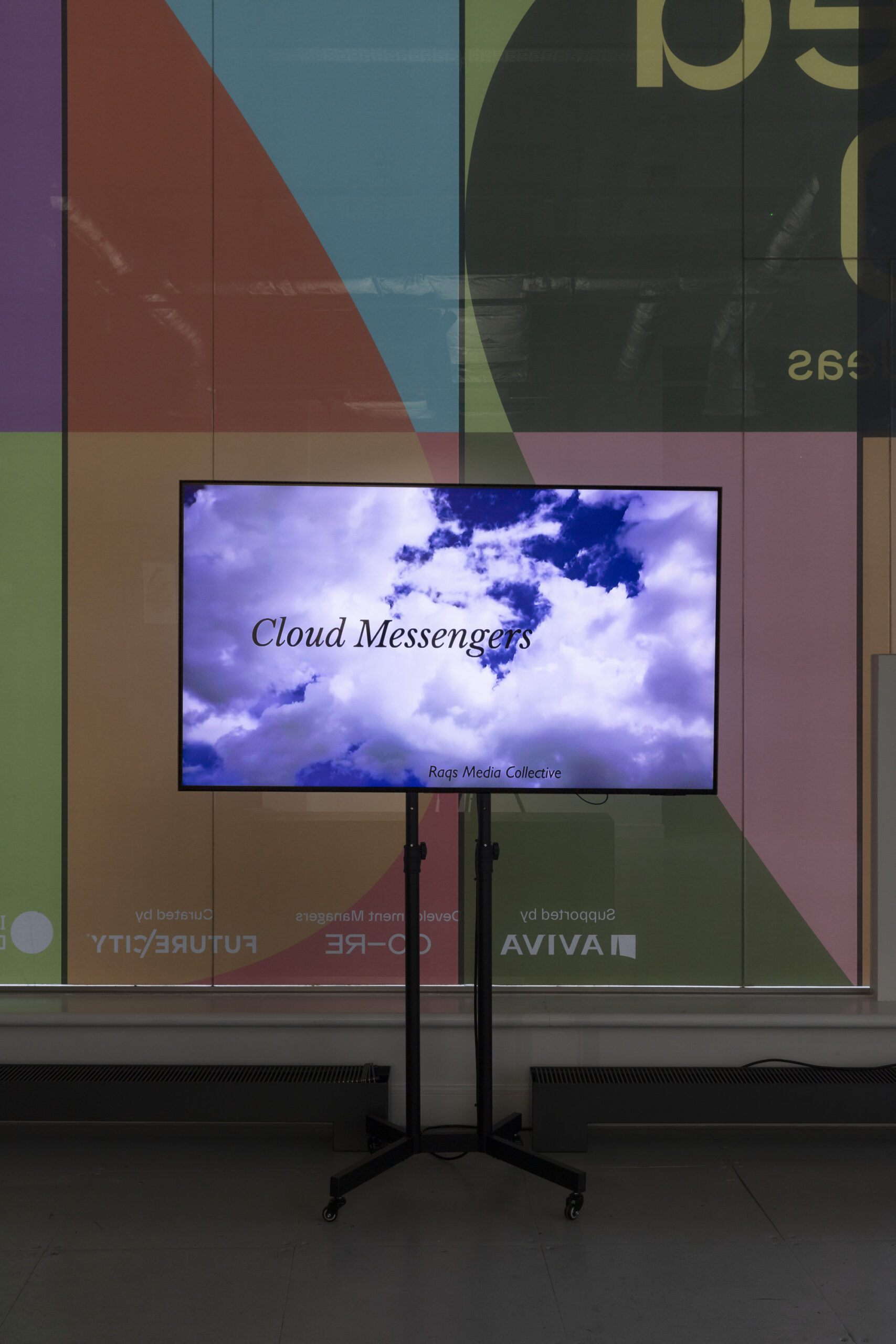
Cloud Messengers
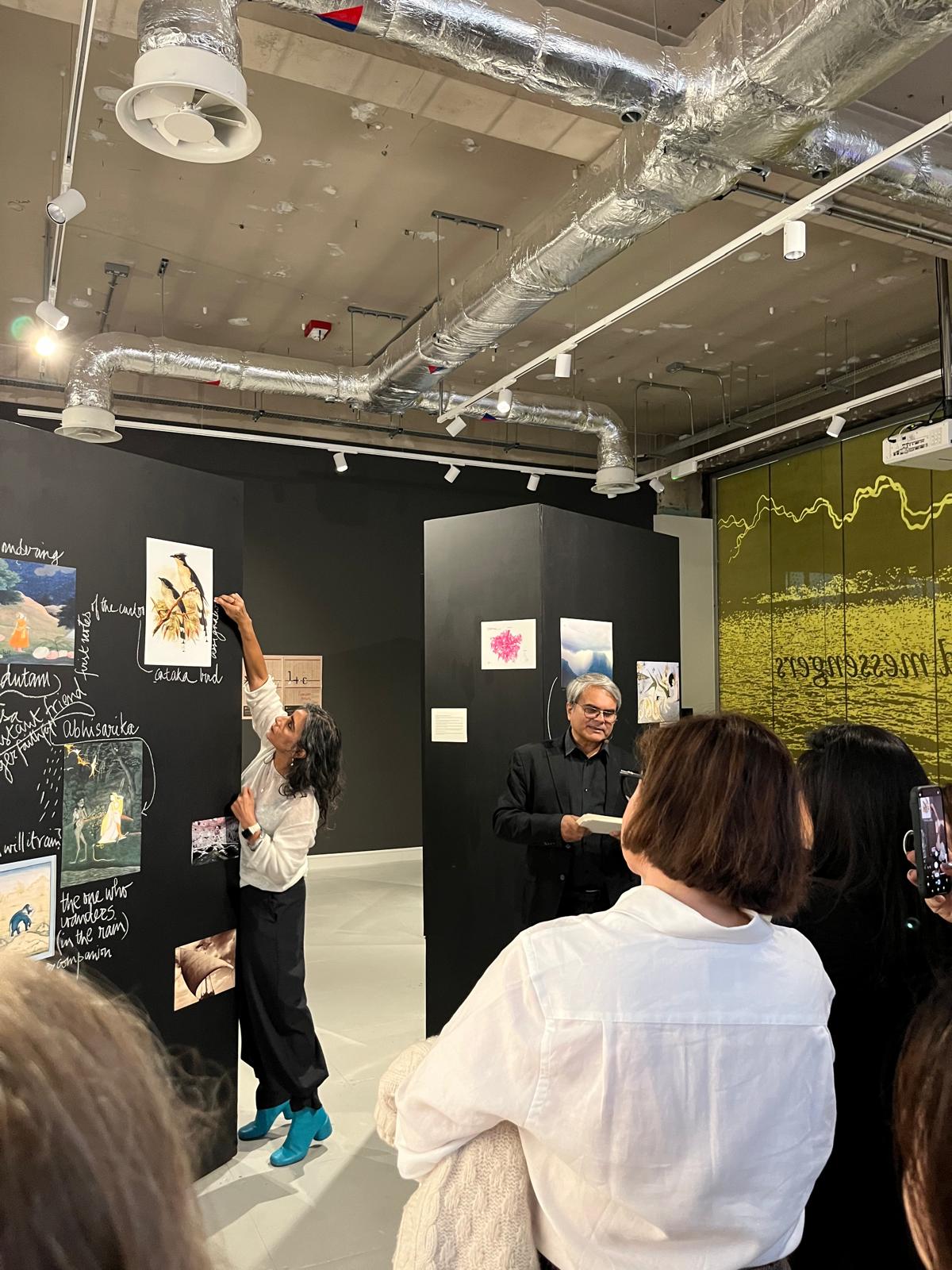
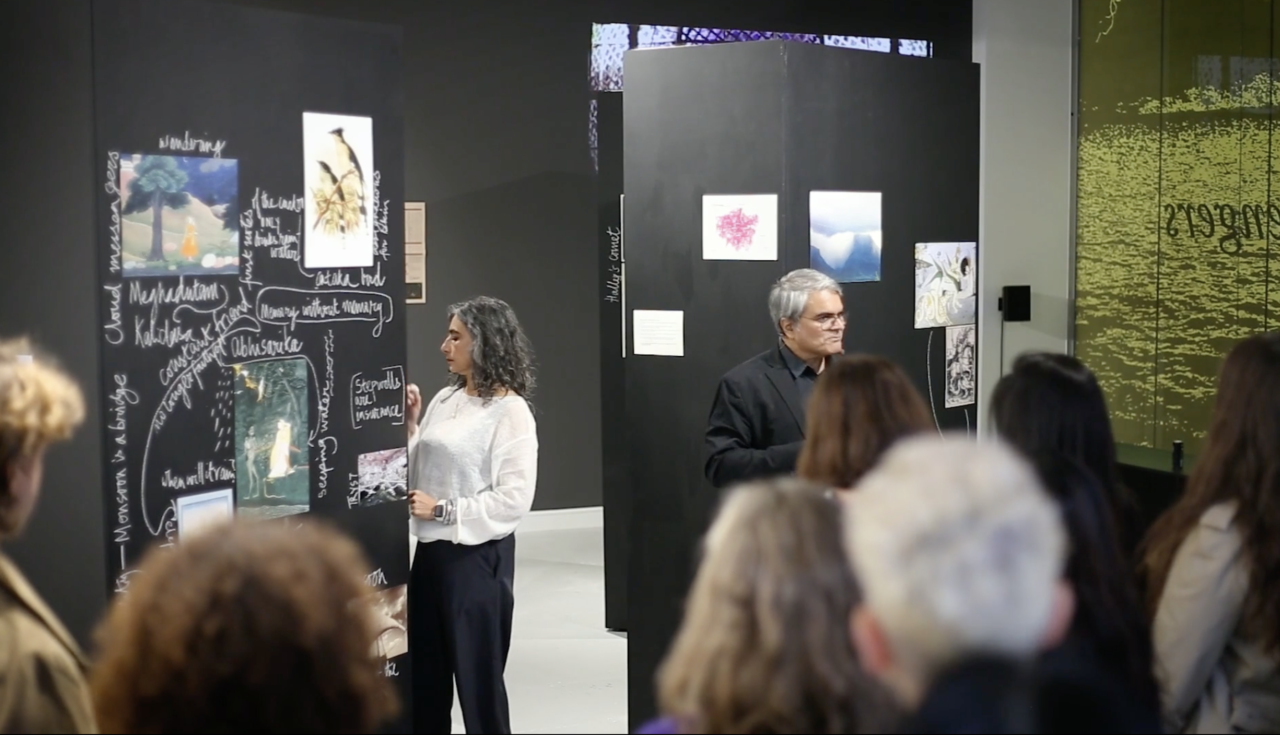
Shown at: Seed130, London (2025)
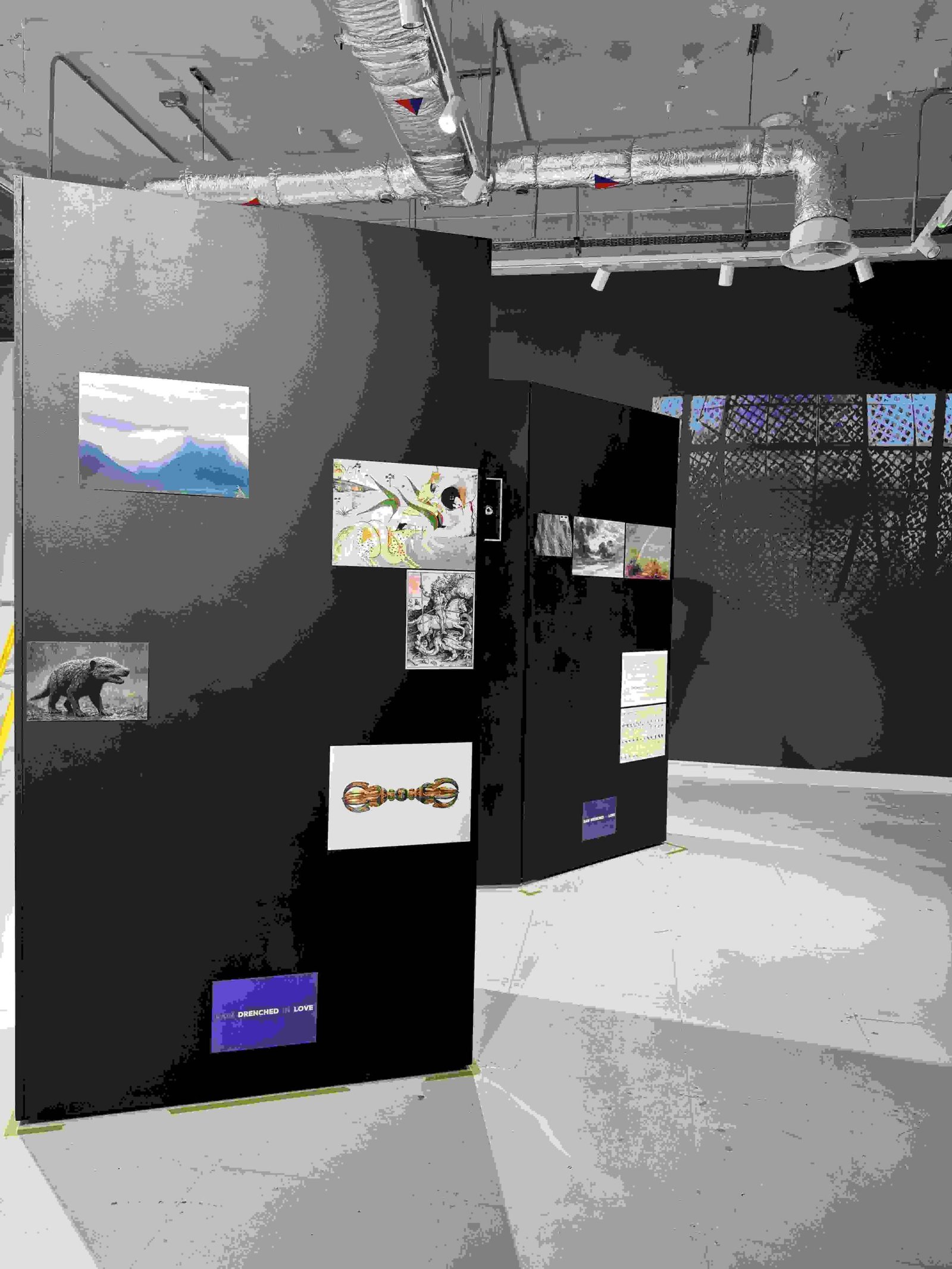
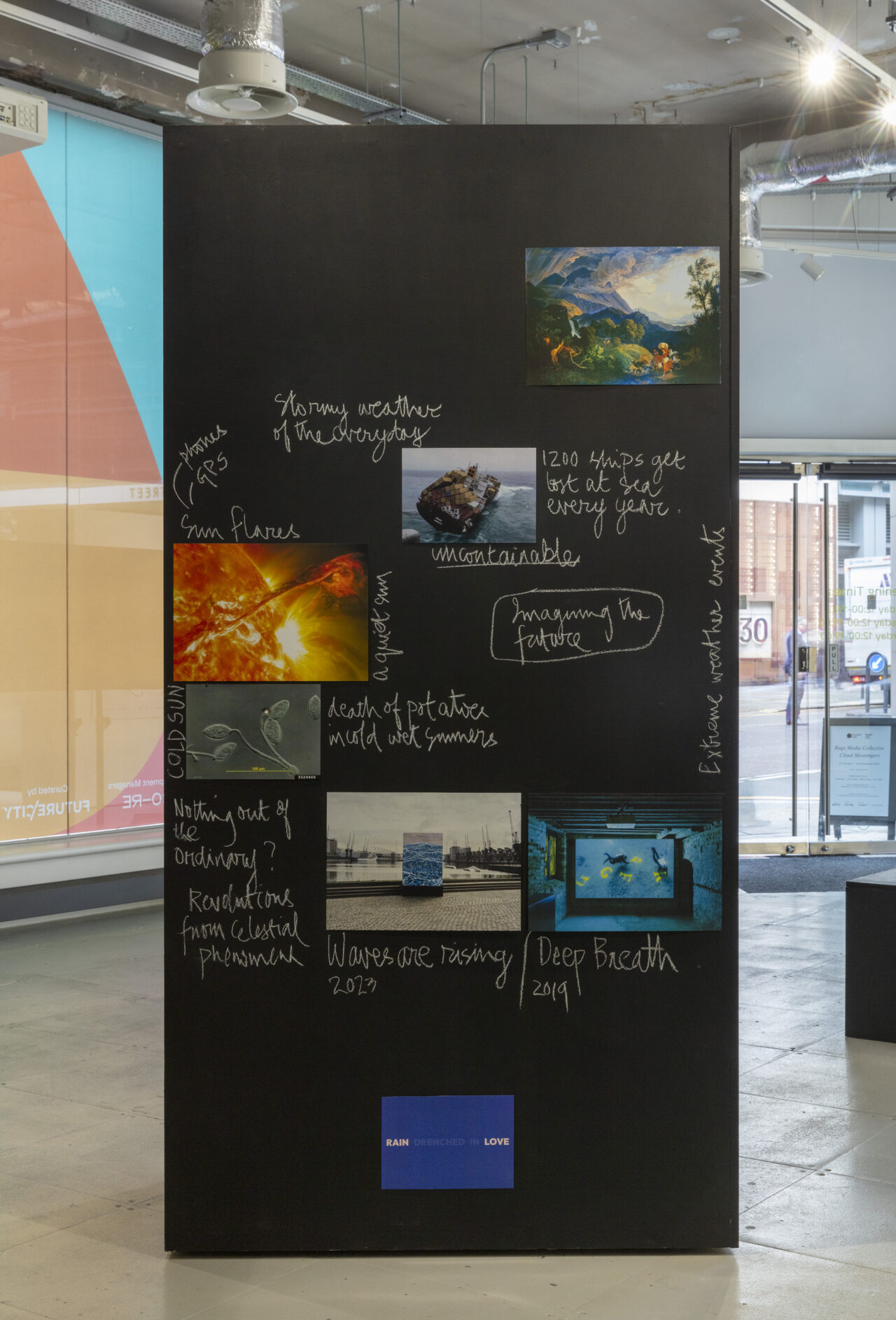
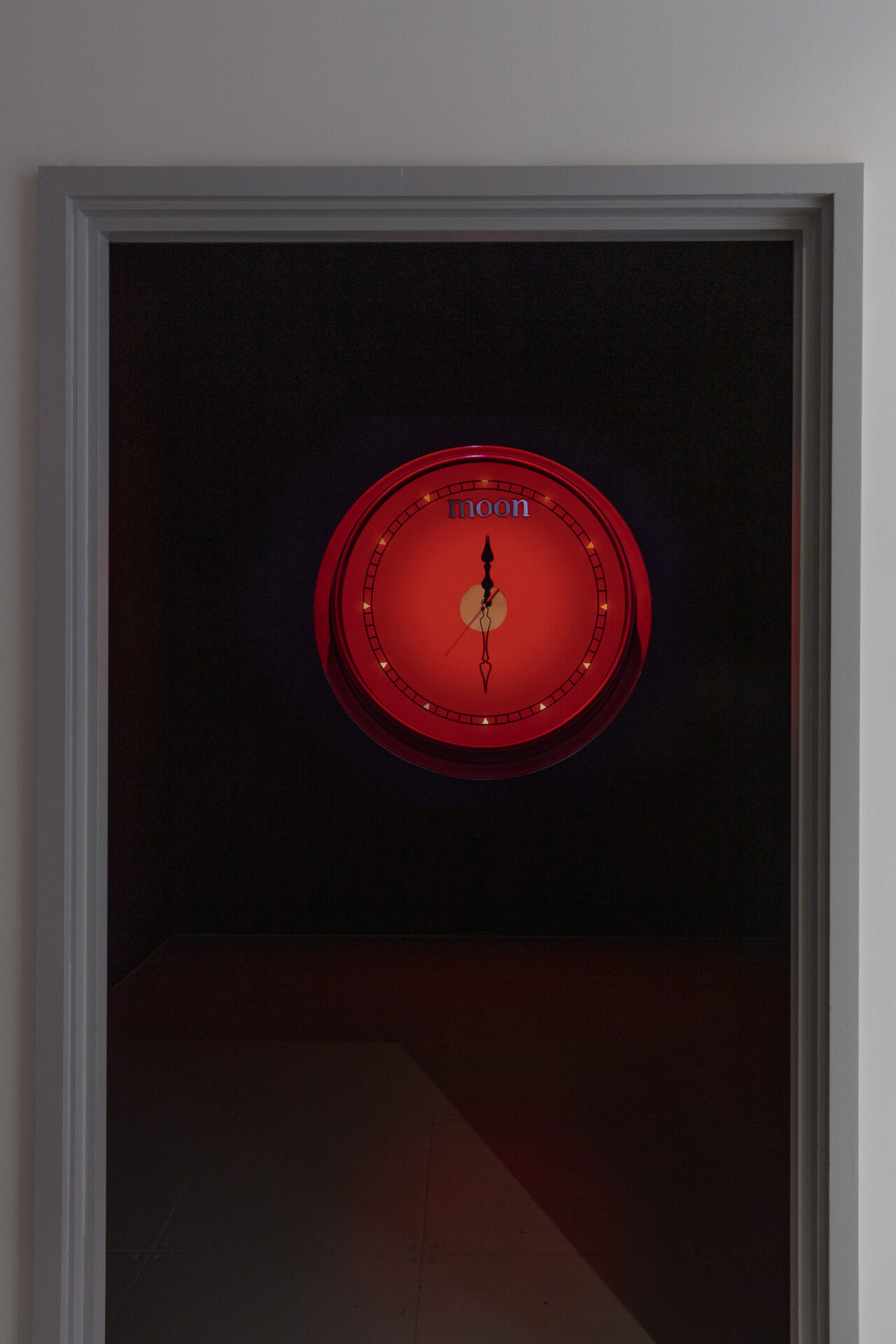
Wallpaper; audio; black boarding; digital prints on epson matte, electro plated foil; vinyl stickers; video projections
“What is not constant can no longer be a friend.”
The monsoon, once known in India as the ‘constant friend’, is no longer a reliable companion. There can be either too little, or too much rain; and the degree of rainfall has now become a part of the unpredictability of the weather that is a consequence of climate change. There has been a close link between the failure to predict the commencement and intensity of rainfall to the fortunes and misfortunes of the economic structures of a land, Cloud Messengers traces this very dialogue between between rain, floods, trade, capital, and calculation moving through patterns which are no longer dependable.
How are clouds read? Once signs of rain, movement, or seasonal return, they now also carry the charge of crisis, forecast, and economic consequence. The work draws a line between climate crisis and financial logic. Fossil-fuel economies have intensified warming, rising seas, and volatile weather. Storms disrupt shipping routes, floods and landslides unsettle lives, and cycles of drought and fire deepen scarcity. At the same time, these conditions feed new calculations of risks and speculations, and uneven outcomes in which disaster can produce profit for some while devastating for others.
This work forms the final chapter of a trilogy developed with Invisible Dust, following The Waves are Rising (2023) and The Tides of Our Tears (2025).
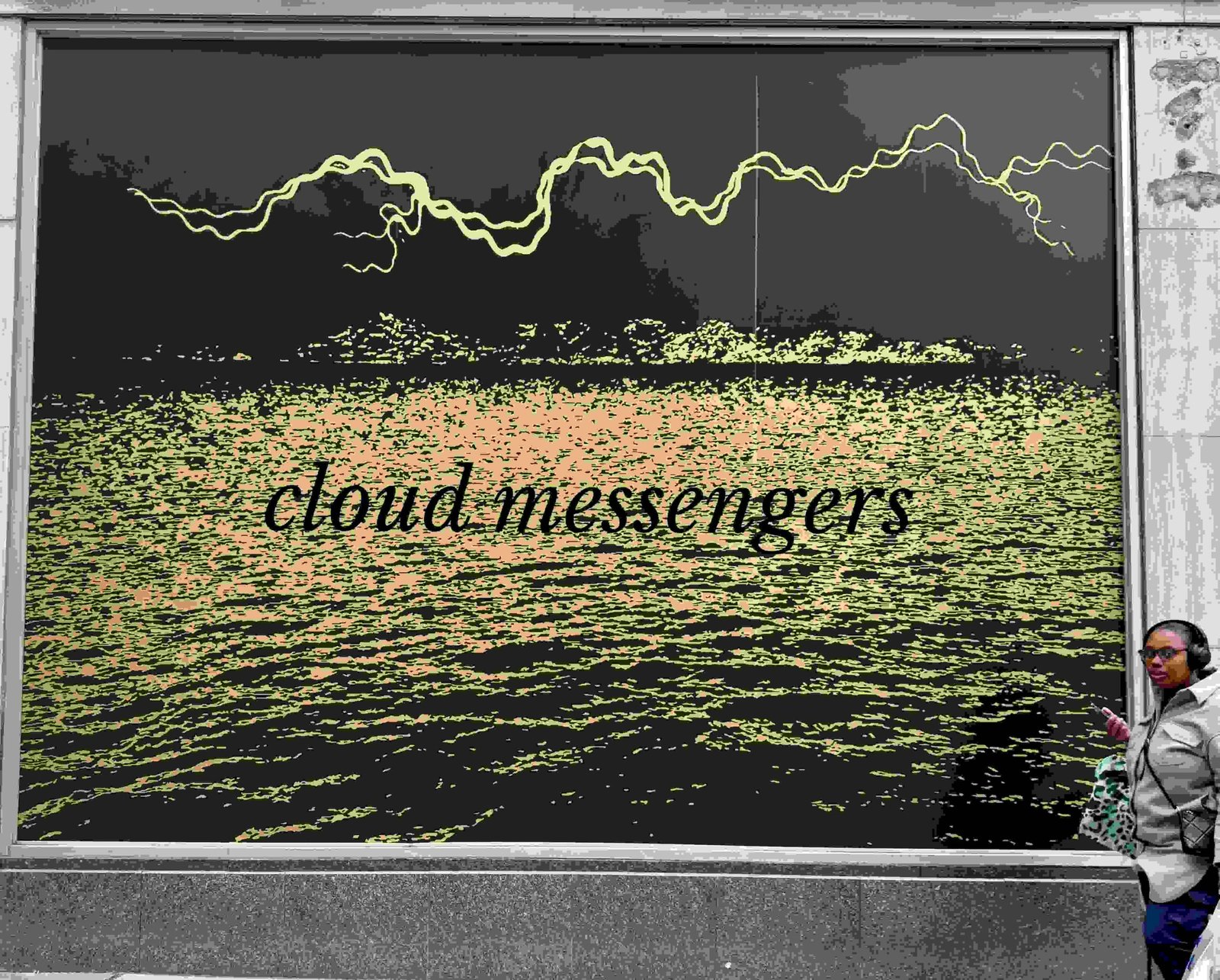
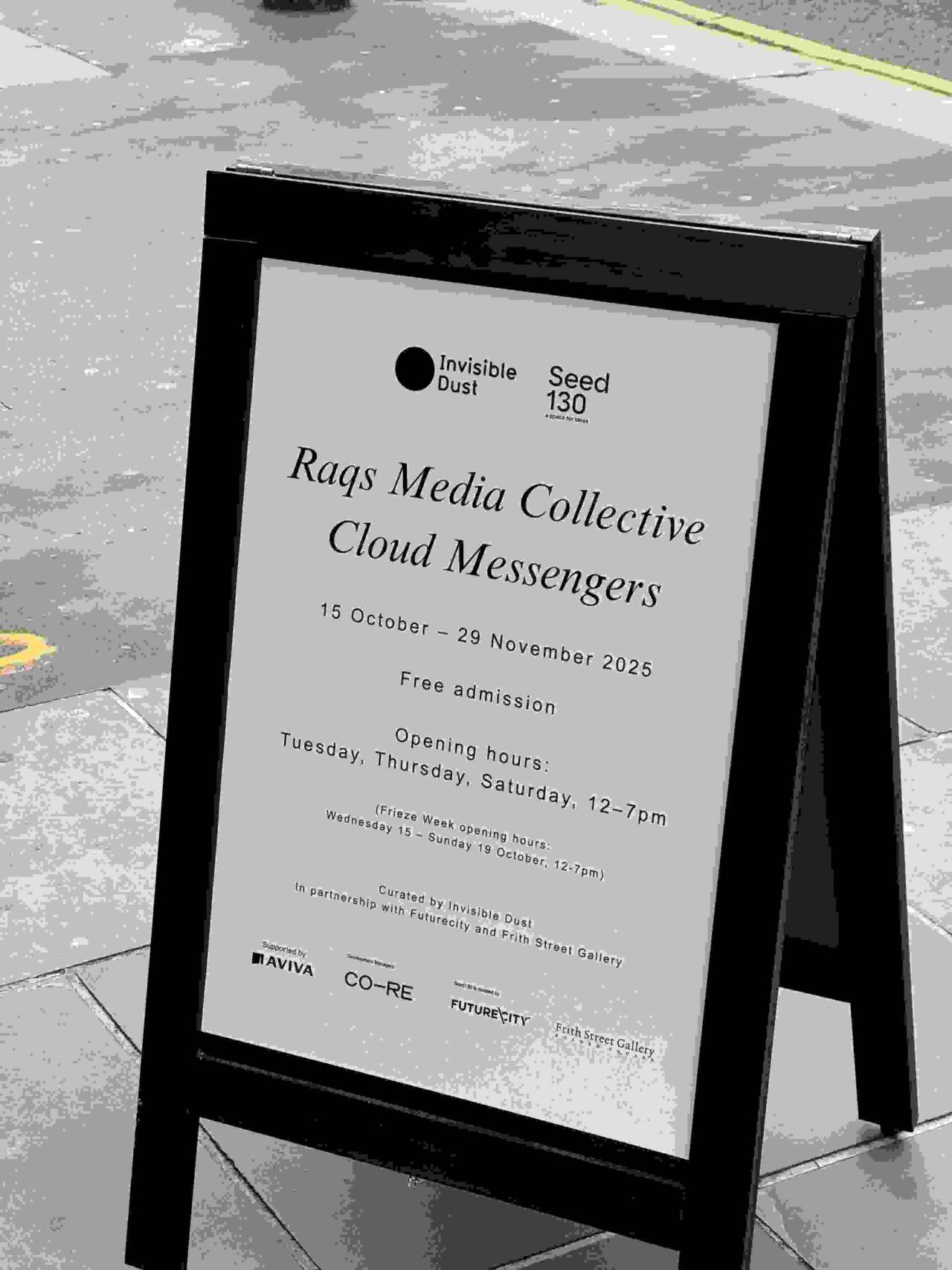
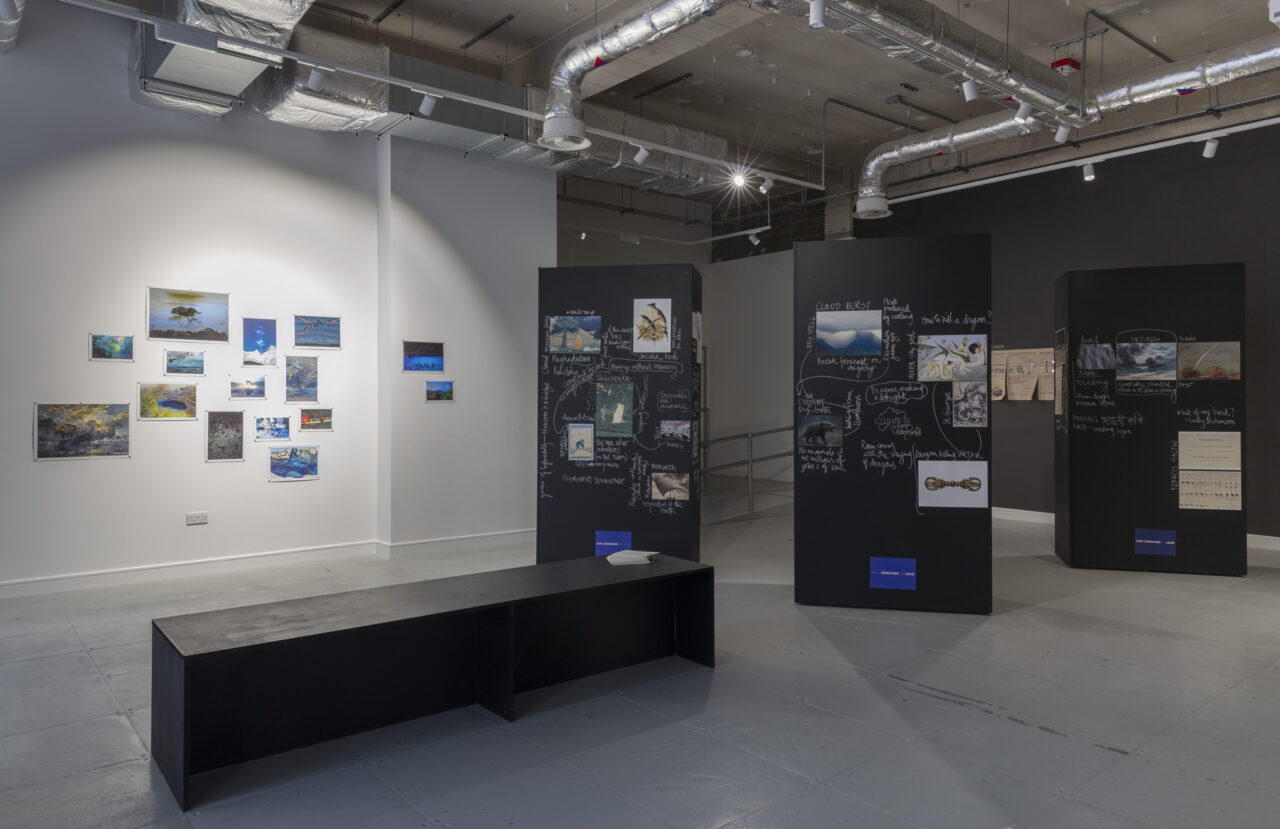
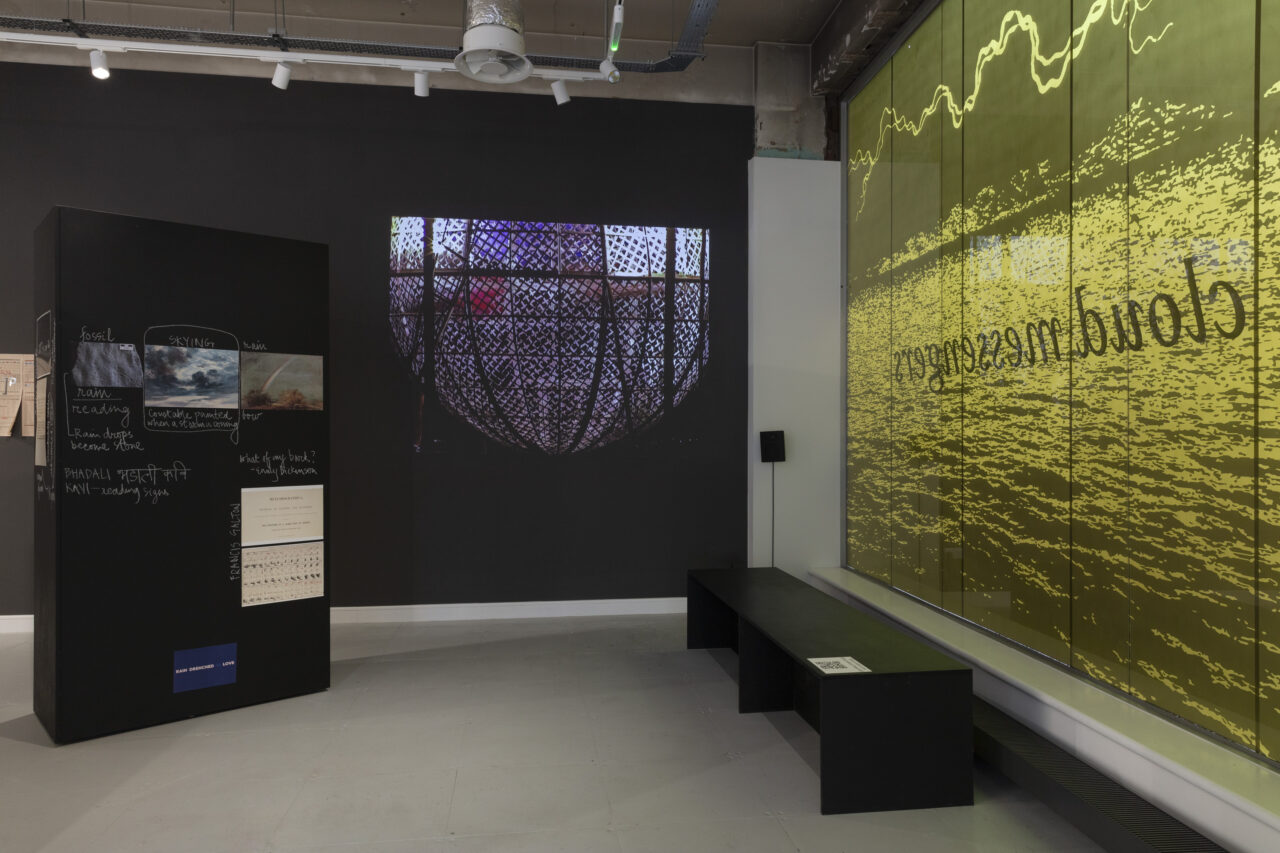

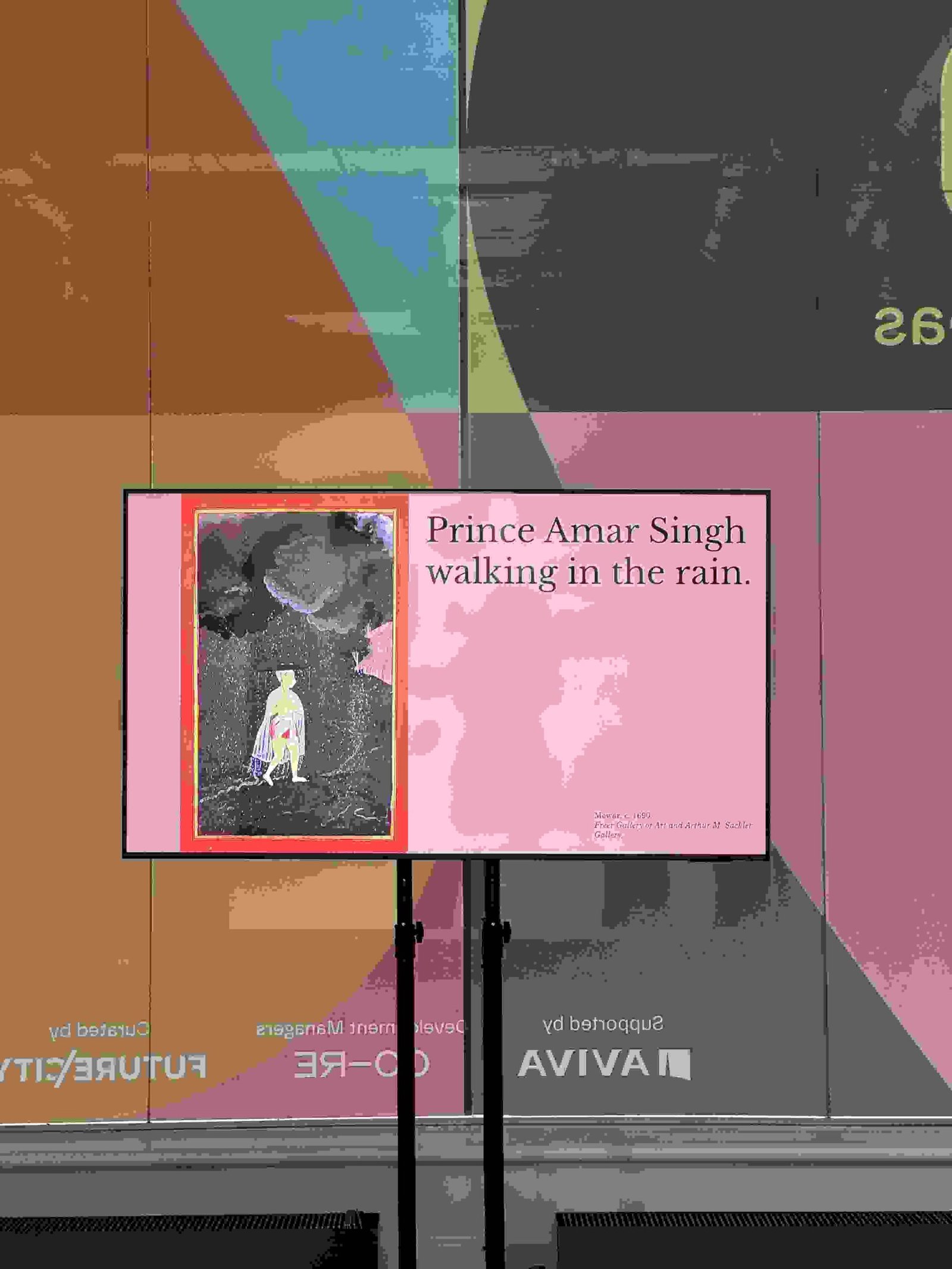
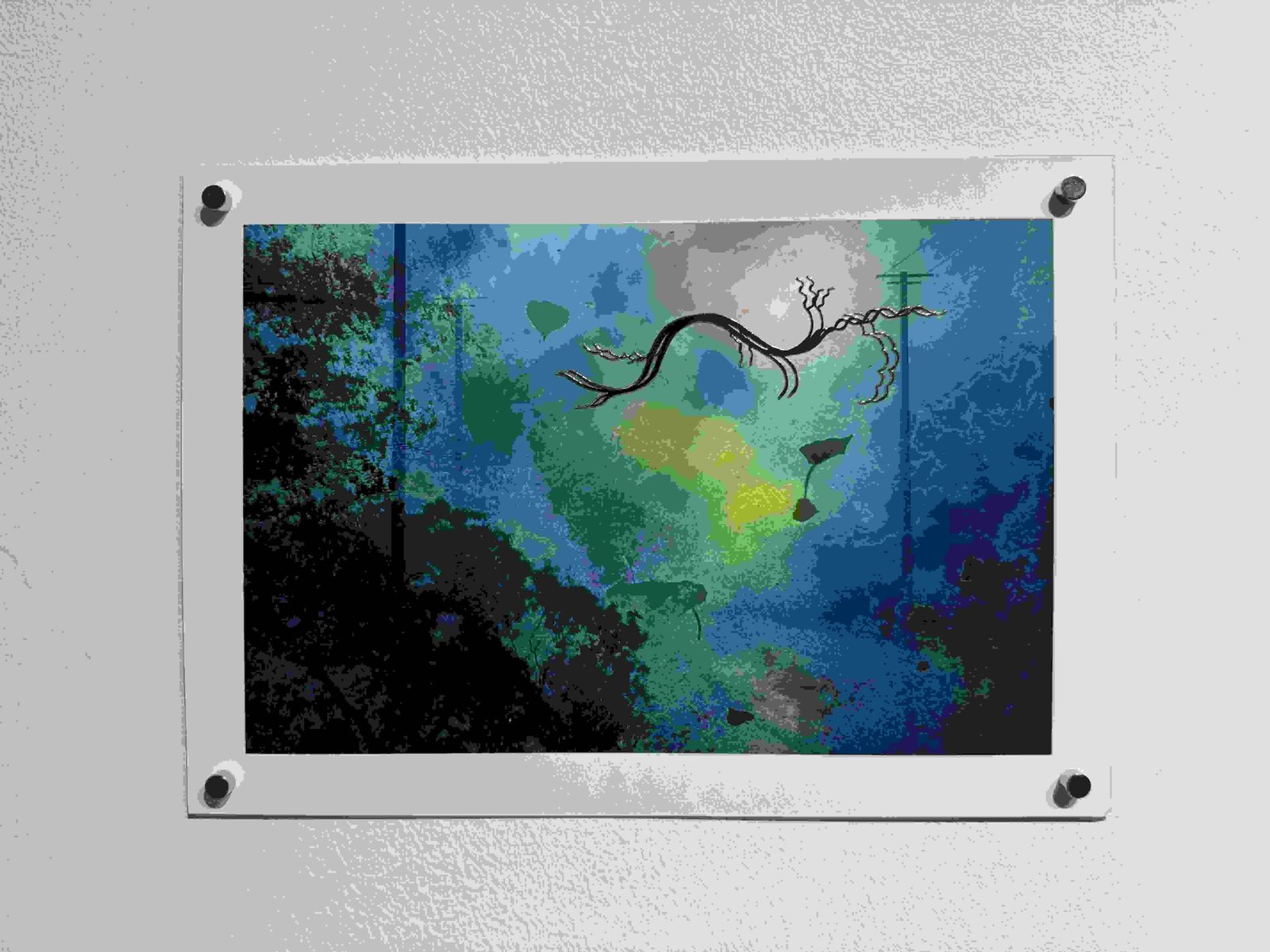
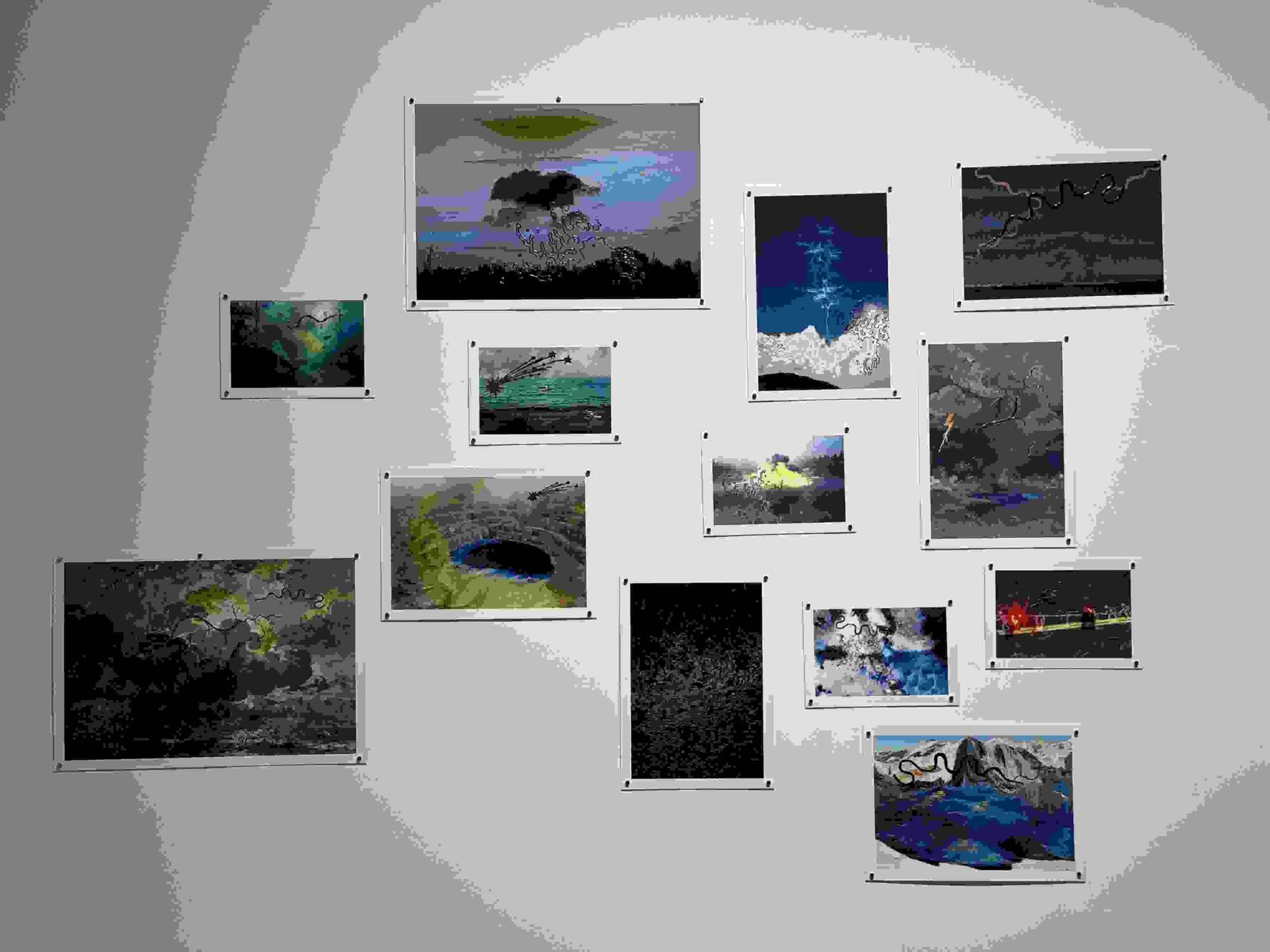
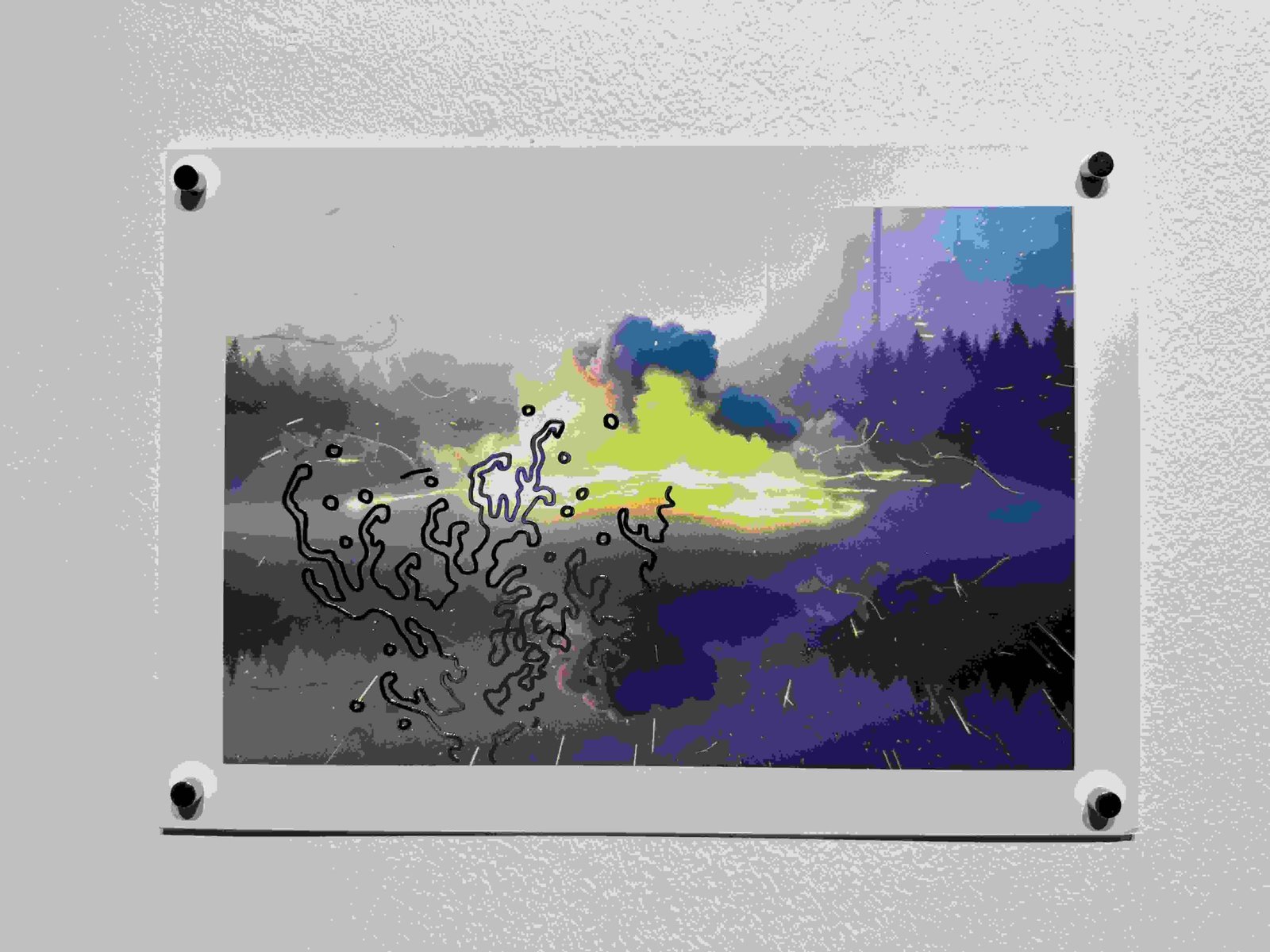
“Clouds are messengers; they are auguries of relief. Kalidasa, the Sanskrit poet we read for pleasure, distils this sensibility with great refinement. The passing cloud becomes a messenger carrying a love letter.“
See Also
Cloud Messengers performance